Jeju April 3rd Historic Sites
Jeju April 3rd Historic Sites List
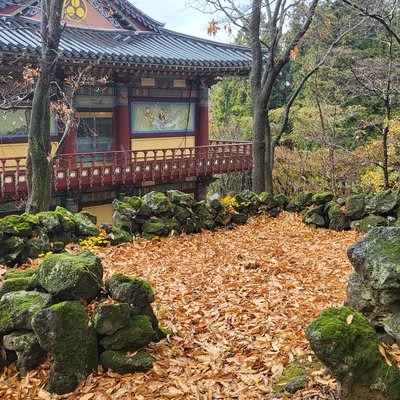
Gwaneumsa Temple
Gwaneumsa Temple was established in 1909 and it was close to Eoseungseng which used to be a base camp for armed resistance, and therefore, it underwent all sorts of hardships. From March 1949, the ...
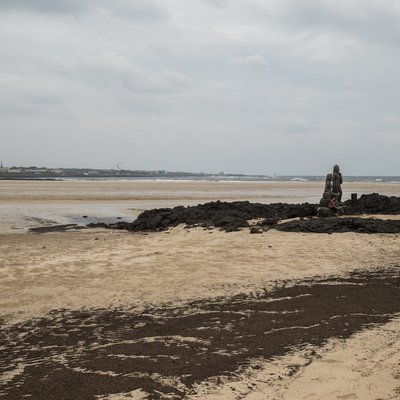
Hanmosal
Hanmosal means a long sandy beach and is located in Pyosun-myeon. It is also called “Dangkae or Pyosun sandy beach.” This was the massacre site where villagers of Pyosun-myeon and Namwon-myeon were...
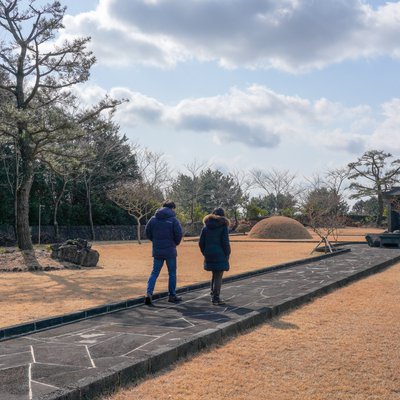
Hyeonuihapjangmyo (graveyard)
Bodies in the current Hyeonuihapjangmyo used to be in old graveyards and were moved to this current place in September 2003. On the excavation day, a total of 39 bodies were found in three burial m...
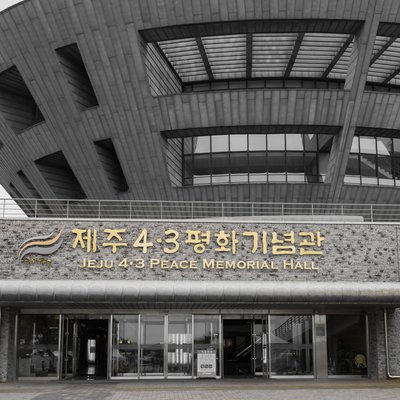
Jeju April 3rd Peace Park
Jeju 4·3 Peace Park was established to remember the tragic history of the Jeju April 3rd Uprising and Massacre, restore victims’ reputations and promote Jeju as an island of peace and human rights....
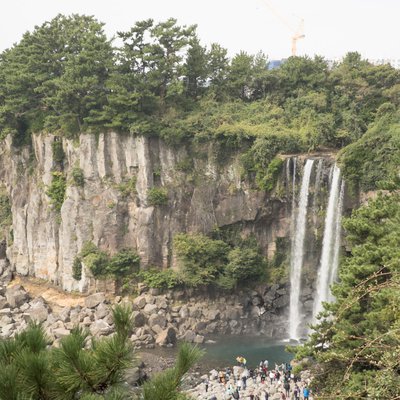
Jeongbang Waterfall
Seogwi-ri was the center of southern part of Jeju island at that time. Therefore, police forces and soldiers used here as a military base. Detention center in the military was filled with villagers...
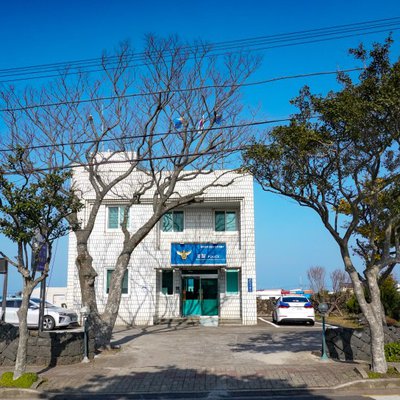
Jocheon Police Station
Jocheon Police Station
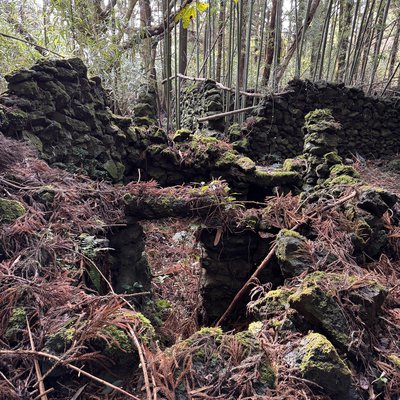
Jongnam Village
On November 20, 1948 soldiers from the 9th regiment of the Korean Constalbulary boomed Jongnam Village when the whole of Wasan-ri was scorched in an effort to dislodge the rioters. At the time of t...
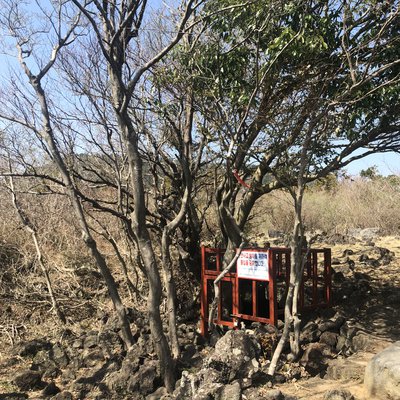
Keunneolgwe
After the village was burnt down in the middle of November 1948, Donggwang villagers hid inside Keunneolgwe for 2 months. At that time, around 120 people were living in this cave. In early 1949, Ke...
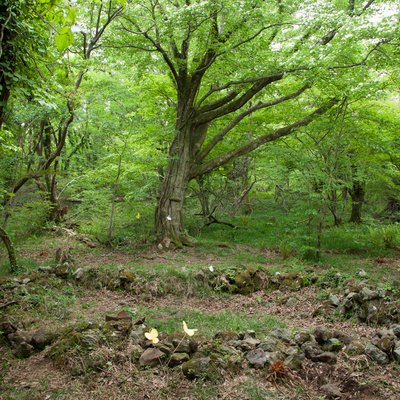
Lee Duk-koo’s Uplands
On 20 November 1948, following a crackdown in Bonggae-ri, villagers took refuge in nearby mountains. Lee Duk-koo Upland is where villagers were hiding during the severe crackdown. After the spring ...
Search
Are you looking for something? Try searching with some keywords.