Jeju April 3rd Historic Sites
Jeju April 3rd Historic Sites List
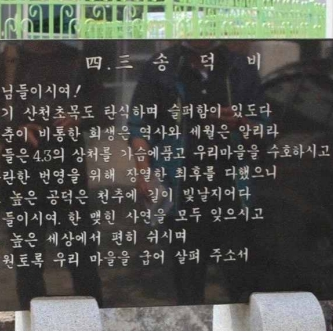
Doryeon 2-dong April 3rd Commemorative Monument
In 2010, residents of Doryeon 2-dong erected a memorial stone in the courtyard of the village hall to honor the victims of the April 3 Incident who were from their neighborhood.
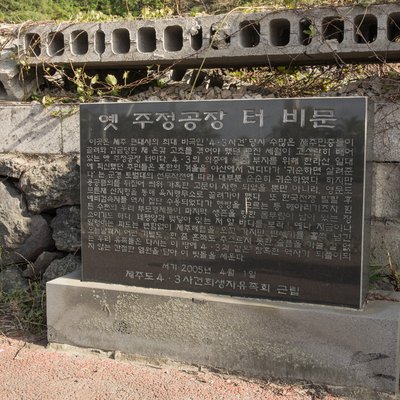
Former Distillery Site
Oriental Development Company Jeju Distillery was established in 1934 by Japan and it was an important industrial facility before and after the liberation. The warehouse of the distillery was used a...
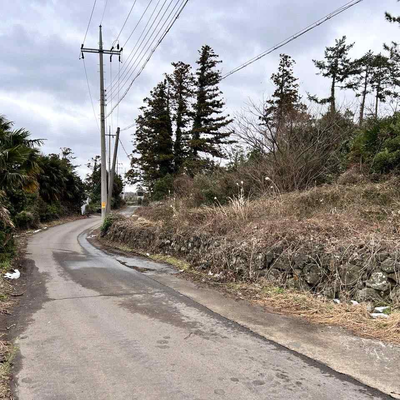
Gamnang-Uyeong
It is believed that the name comes from the presence of a large persimmon tree.According to the Jeju 4·3 Research Institute, on January 10, 1949, government forces stationed in Samyang launched a s...
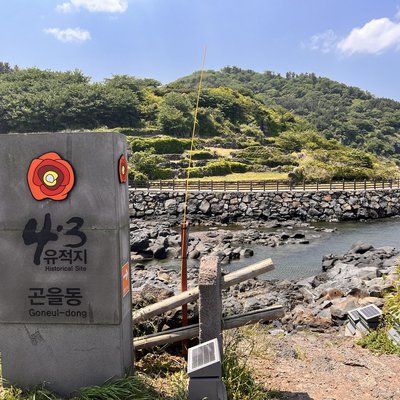
Gonul-dong
There were around 70 households in Gonul-dong. On 4 January 1949, soldiers burnt the village to the ground and it was never restored. Soldiers invaded the village without warning, burnt all houses ...
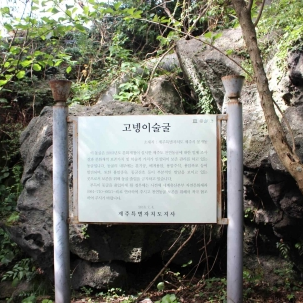
Gorengisul-Gwe
Until November 1948, when the village was burned down, the people of Bonggae-ri routinely hid in this cave whenever soldiers or police entered the village.
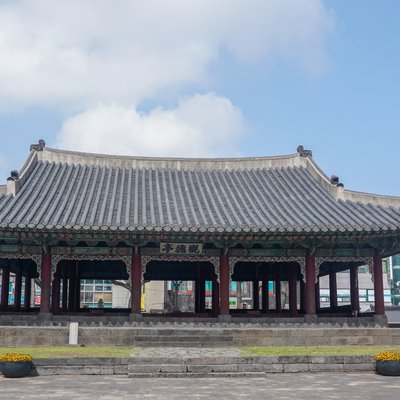
Gwanduckjeong Pavillion
Gwandeokjeong Pavilion was built by Pastor Sin Suk-Cheong in the thirtieth year of King Sejong's reign (1448) as a training ground. On 1 March 1947, people joined the ceremony to commemorate t...
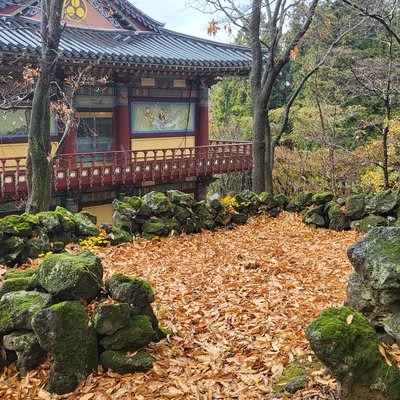
Gwaneumsa Temple
Gwaneumsa Temple was established in 1909 and it was close to Eoseungseng which used to be a base camp for armed resistance, and therefore, it underwent all sorts of hardships. From March 1949, the ...
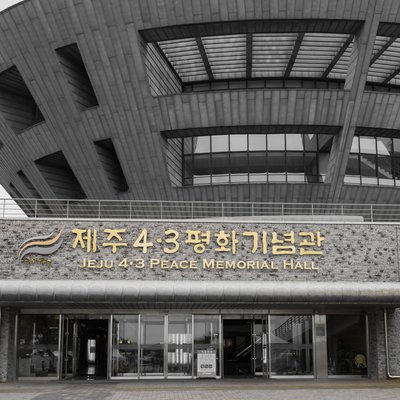
Jeju April 3rd Peace Park
Jeju 4·3 Peace Park was established to remember the tragic history of the Jeju April 3rd Uprising and Massacre, restore victims’ reputations and promote Jeju as an island of peace and human rights....
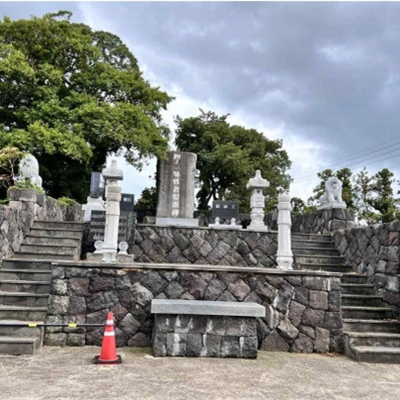
Memorial Monument for the Victims of the April 3rd in D...
The Doryeon 1-dong Association of Families of April 3 Victims was established on February 5, 2007, with the aim of restoring the honor of civilian victims, paying respects to their spirits, and act...
Search
Are you looking for something? Try searching with some keywords.